
Updated on October 13, 2026
The idea behind this site's name is to pursue truth, courage, and community in the quiet hours after the day's work is done.

Photo by Quilia on Unsplash.
The short answer
We all have jobs, families, hobbies, and responsibilities to manage during the day, so little time is left for our minds to wander. But sometimes, in those late hours of the night, we have room to think about the important questions in our lives. In those brief and beautiful moments, we get to be philosophers.
This post may contain affiliate links. If you buy through them, I may earn a small commission at no extra cost to you.
Why “By Night”?
The idea of being a philosopher by night comes from that reality. For most of my life, my days have never really belonged to me. In the Marine Corps, and later in law enforcement, they belonged to the mission and the people I served. Now, as a husband and a father, they belong to my family, and I wouldn't have it any other way.
But once the house goes quiet, the questions I didn't have time for during the day come back to me. What is true? What is worth fighting for? What kind of man do I want my daughter to remember? That's when I read, reflect, and write. Those late hours are when I do my best thinking, and they're why this site has the name it does.
What It Means to Be a Philosopher
To different people, being a philosopher means different things. To me, it represents someone who pursues the truth and understands that truth is unwavering and does not change over time. Truth is a core value for the philosopher, along with courage and commitment to community.
Truth. A philosopher thinks beyond the surface of what modern culture tries to force upon us and is willing to stand up for it.
Courage. To be willing, despite the odds and the fears, to defend truth and the freedom to express it at all costs.
Community. These things would be worthless in a world where we live alone. Believing in community and doing your part is how we seek truth, defend it, and inspire others through our lives and stories.
Encouraging these core values strengthens our communities. It gives them the ability to think critically about the world and their purpose in it, helps them find contentment in whatever situation they find themselves in, and makes them an example to those who still need a gentle push toward the relentless pursuit of truth and the welcome outcome of living a life worth writing about.
Why Everyone Is Meant to Write
When it comes to storytelling, I believe everyone is meant to write. In a world of constantly evolving ideas, writing helps us organize our thoughts and determine what is right for us, what is true, and why we do what we do. (I wrote more about that in Poetry Will Change Your Life Forever.)
Throughout my years as a writer and independent author, I have developed skills and strategies to write and think as effectively as possible, and I want to share them with you as we grow together. A society that can think critically and put those ideas into writing will build stronger communities, but I also understand that won’t happen overnight
“Philosophy is the love of wisdom.”
Books That Changed How I Think
These books changed how I think and behave and encouraged me to seek wisdom even more.
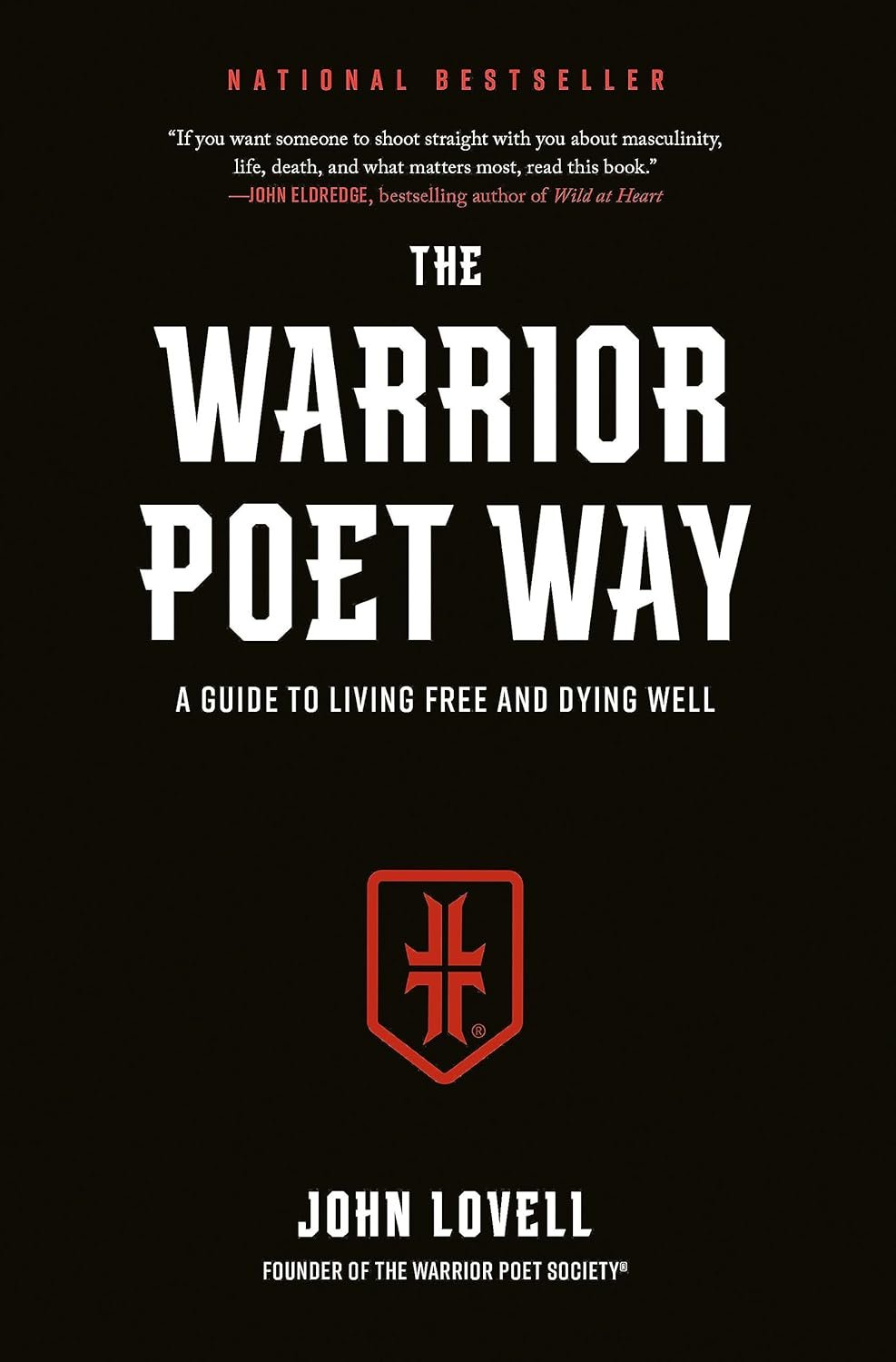
The Warrior Poet Way: A Guide to Living Free and Dying Well by John Lovell
Former Army Ranger John Lovell argues that a man doesn't have to choose between strength and tenderness; he can be both a protector and someone who feels deeply. As a Marine who writes love poems, I felt like the title alone described my life. It's the book I'd hand to any man who's been told those two sides of him can't coexist.

R.C. Sproul walks through the great thinkers of Western philosophy, from Plato and Aquinas to Kant and Freud, and shows how their ideas still shape the way we live and think today. If you want to start your own journey as a philosopher by night, this is the most approachable map of the territory I've found. It reminded me that ideas are never just ideas; as the title gives away, they always have consequences.

The 48 Laws of Power by Robert Greene
Robert Greene draws on three thousand years of history to lay out the unwritten rules of how power is gained, kept, and lost. I don't read it as a playbook, but as a field guide to human nature: it taught me to recognize manipulation when I see it. As a writer, it's also one of the best resources I know for building believable villains and characters with something to hide.

Celebration of Discipline: The Path to Spiritual Growth by Richard J. Foster
Richard Foster explores the classic spiritual disciplines of the Christian faith, like prayer, study, simplicity, solitude, and service, and shows how they lead to real growth. I've always believed consistency is what turns intentions into results, whether in faith or in writing. This book gave me a framework for building that same discipline into my spiritual life.
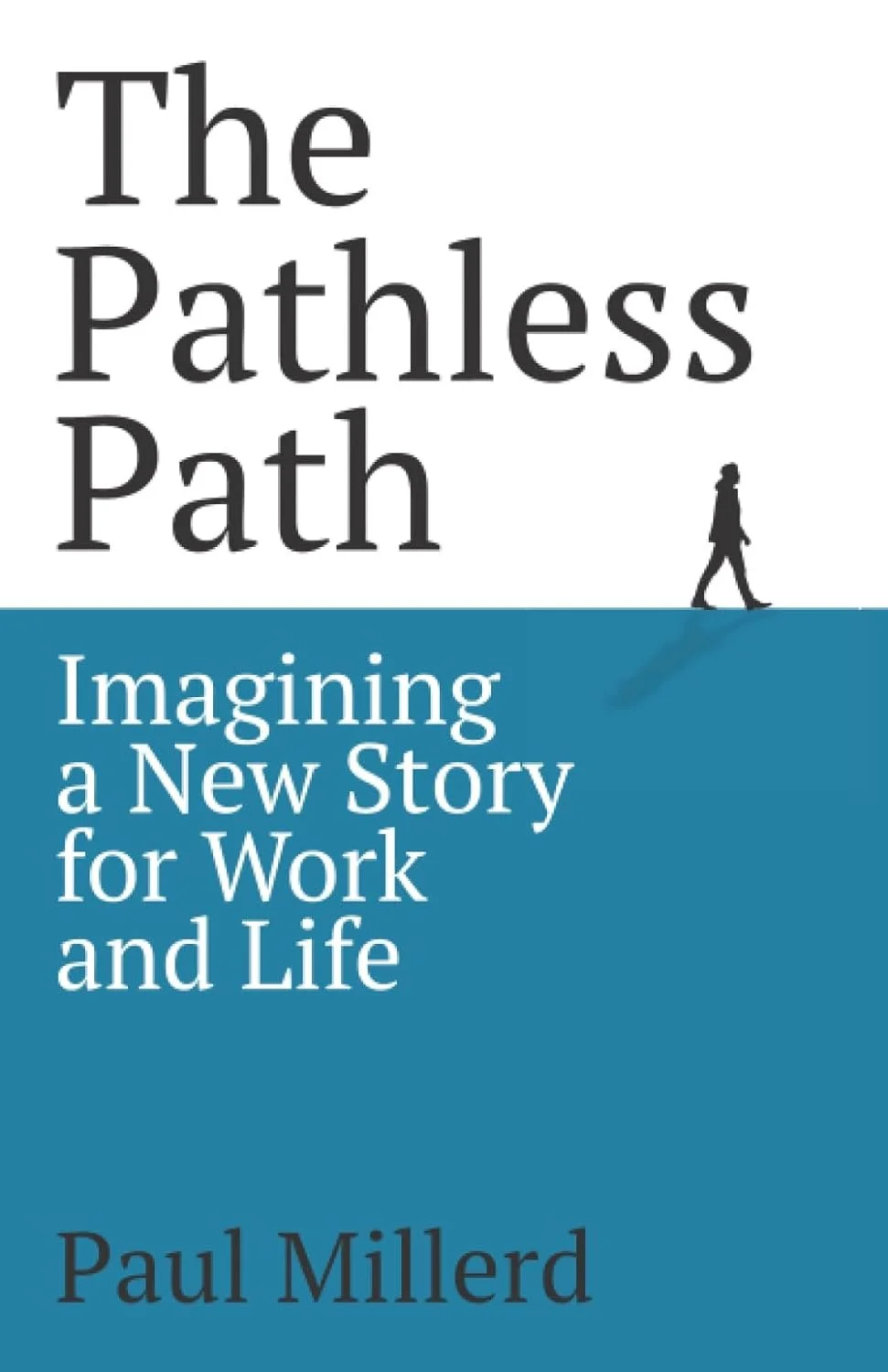
The Pathless Path: Imagining a New Story For Work and Life by Paul Millerd
Paul Millerd walked away from a conventional corporate career and spent years figuring out how to build a life and work on his own terms. This book asks us to question the "default path" most of us follow without thinking. For anyone who has ever wondered whether a creative life could be more than a side project, this book reminds us it's both a challenging yet comforting possibility.

The Art of Seduction by Robert Greene
Greene studies famous seducers from history to show how attraction and persuasion really work, and why they hold such power over us. As someone who has spent years writing about love and desire, I found it fascinating to see the psychology underneath such powerful emotions. It's also a sharp reminder of how easily people can be charmed into trouble, which is a gift to any writer of thrillers and dark fiction.

Reading on a budget? Discover a massive catalog of books, including some of mine, on Kindle Unlimited. Try Kindle Unlimited free.
Common Questions
What does "philosopher by night" mean?
It means making room for life's important questions in the quiet late hours, after the day's jobs, family, and responsibilities are taken care of. Most of us can't be full-time philosophers, but in those brief moments at night, we get to be.
What are the core values of a philosopher?
To me, they are truth, courage, and community: pursuing a truth that doesn't change over time, having the courage to defend it and the freedom to express it, and doing your part in a community so your life and stories inspire others.

Meet the author
Born in Caguas, Puerto Rico, raised in a military family, and a former U.S. Marine. Pablo Camacho is the author of more than eight books in English and Spanish, including the Pencraft Award–winning Bittersweet, and is currently writing his first horror stories. He lives in Florida with his wife and daughter. Learn more about his story here.